




Strings By Ernie Ball
Buying Guide: How to Choose the Right Bass Strings
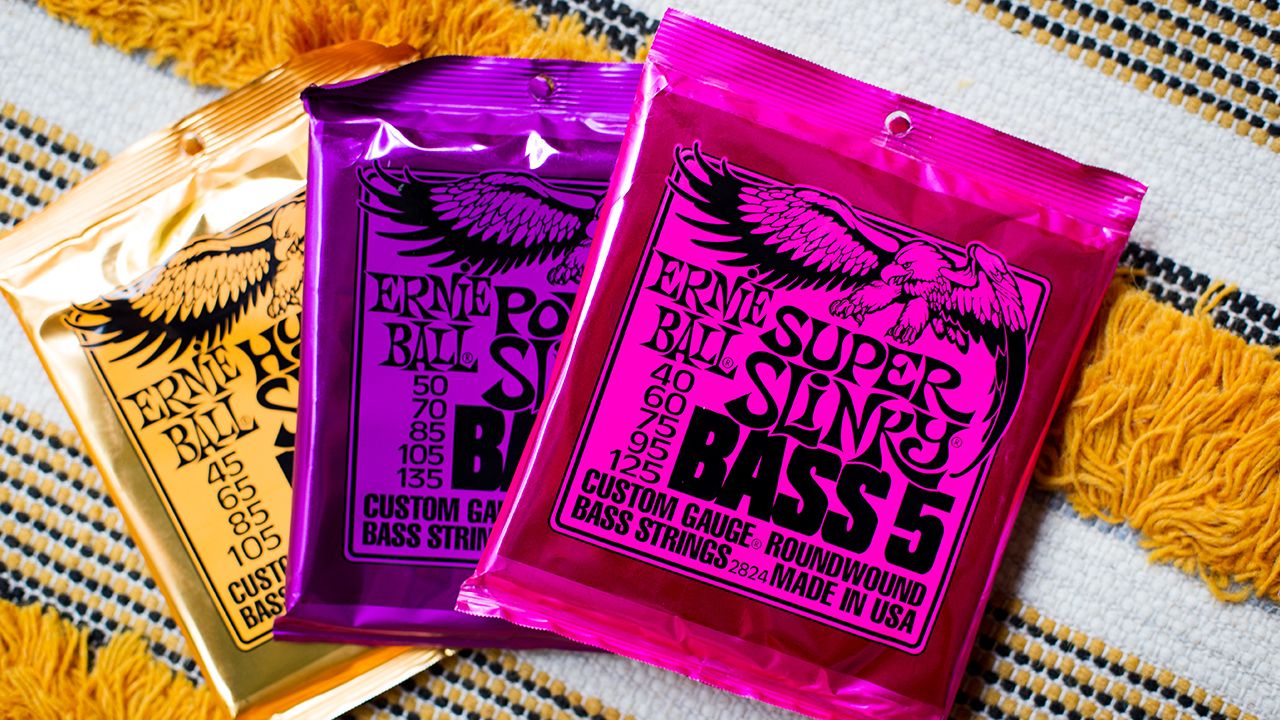
Our relationship with the four-string groove machine dates back to the early 1970s. Fast forward to 2019 and bass players of every style of music and playing type are spoiled with over 40 different sets of Ernie Ball bass strings to choose from.
Wondering where to start in choosing the right strings? Don't fret, here's the low-down on all things bass strings.
Roundwound vs. Flatwound Bass Strings
In simpler terms, this describes the outer 'wrap' layer of the string: round, bumpy, flat, or smooth. This wrap is likely to have the biggest impact on your overall sound.
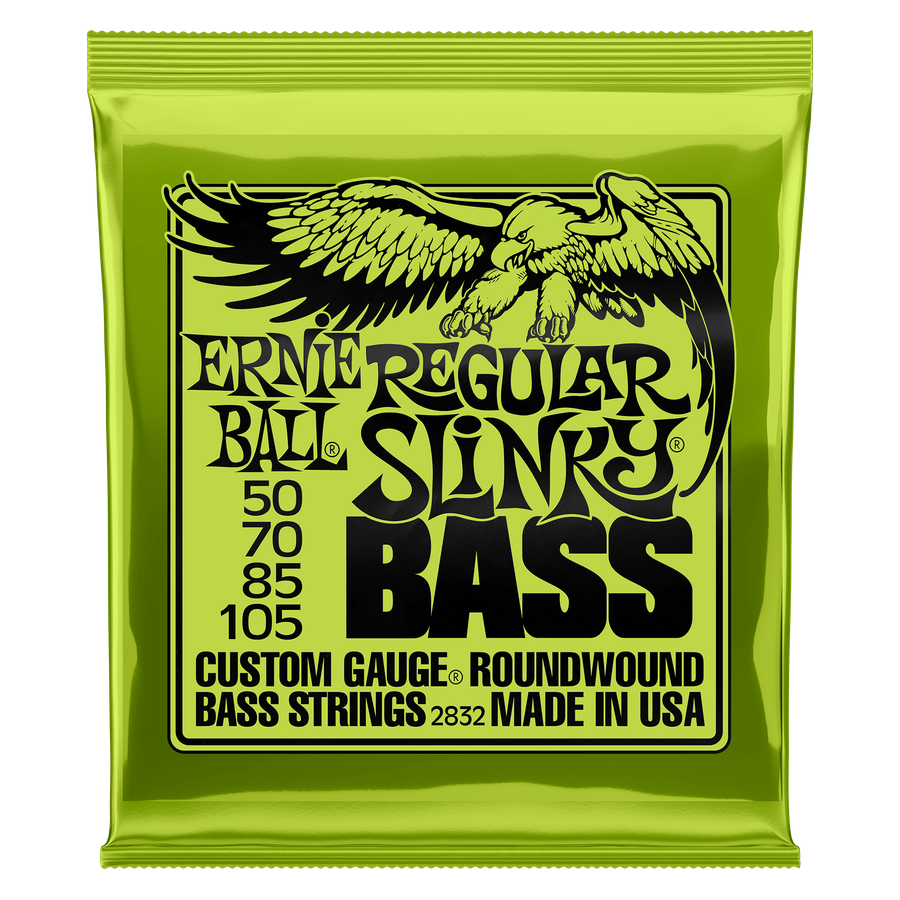
If you're after a 'brighter' rock sound that cuts through the mix, you're probably a roundwound player. Take a look at our range of Nickel wound, Cobalt, Coated and Stainless Steel bass strings.
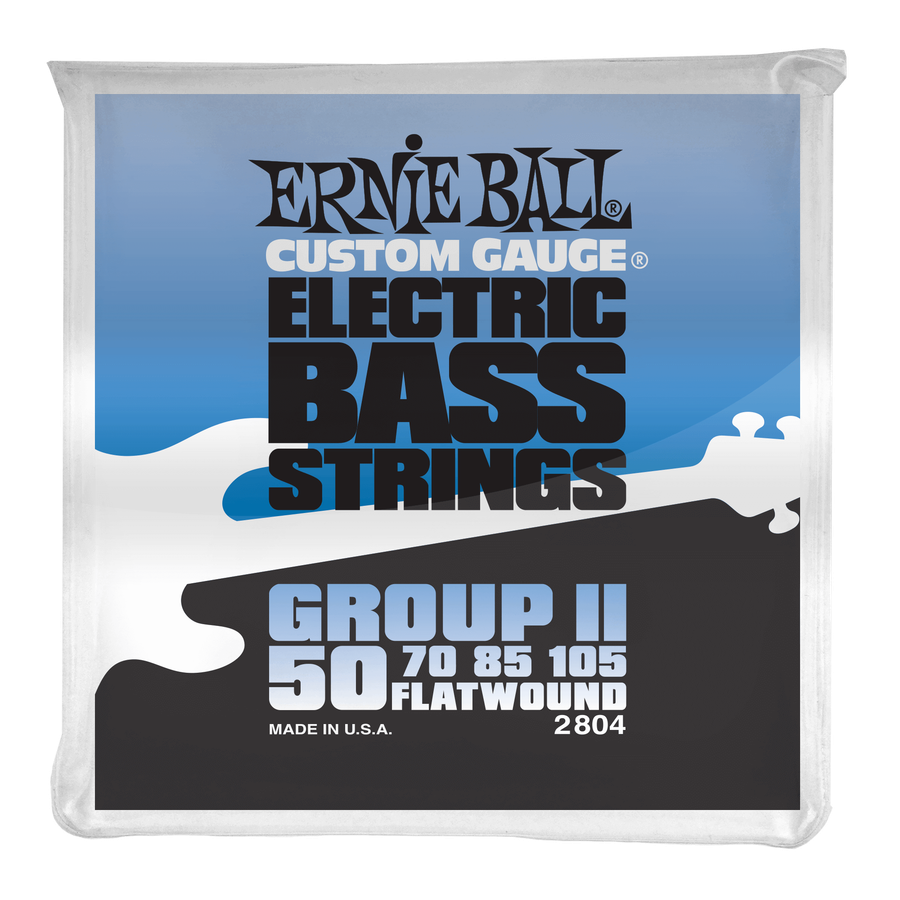
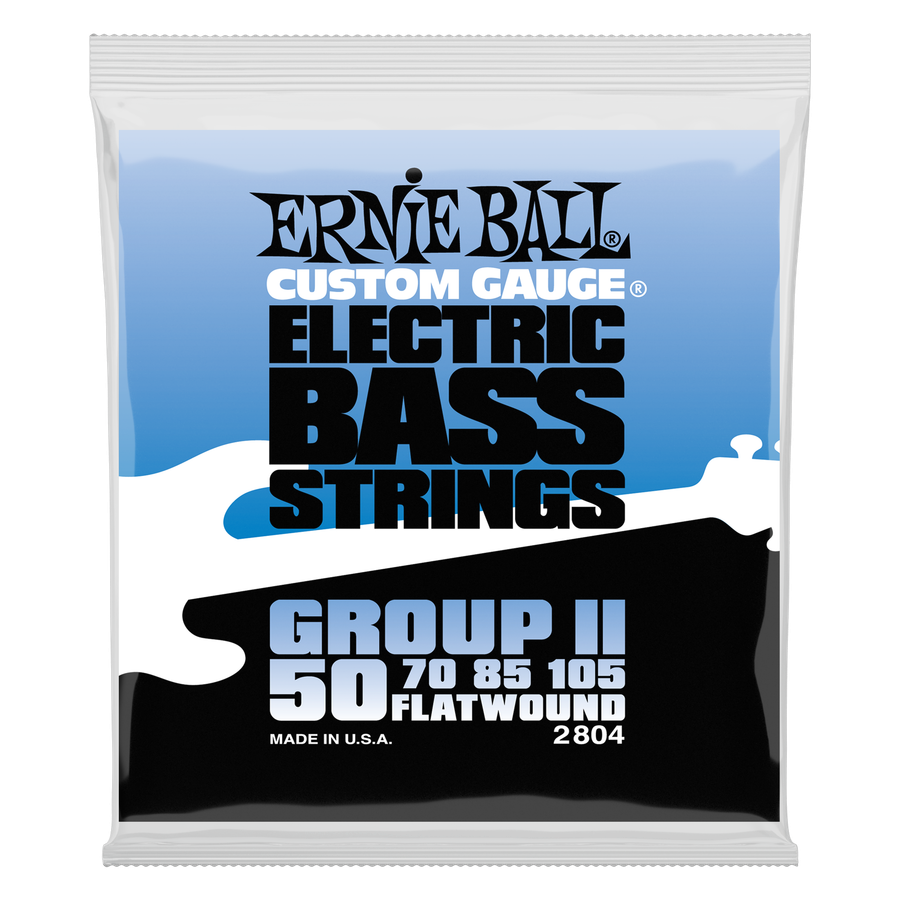
If you're after 'darker', vintage bluesy or jazzy tone with more thump, you should check out our range of Flatwound Bass Strings.
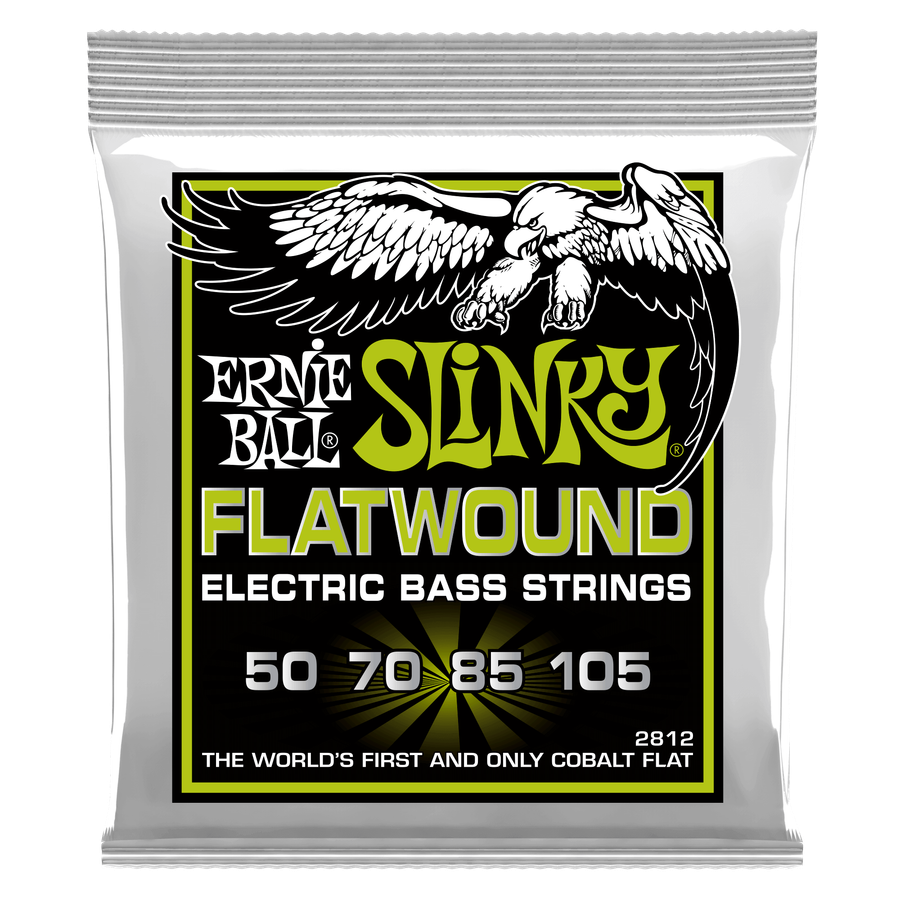
We've also have a third option for players who want that round sound but with the smooth feel of flats, Slinky Flatwounds.
Your equalizer (which controls your treble, bass and mid levels), amplifier, effects, and playing style will also have a dramatic impact on your sound. But the natural ability of the strings is where it all starts.
For more details on the difference between the wrap layers, take a look at our blog on Bass Strings: Flat vs. Round.
Picking your gauge
String gauge is the measurement of string thickness in thousands of an inch. The thicker and heavier the string, the closer it will be to the frets; therefore, it will affect the overall action and playability of your bass.
Because heavier strings have more harmonics, tension is what keeps the tuning stable. Whereas lighter strings have a tighter sound and project more of a "bite." Light gauges are also easier to bend and fret for playability. "Slappers" and "poppers" will generally use a lighter gauge bass string.
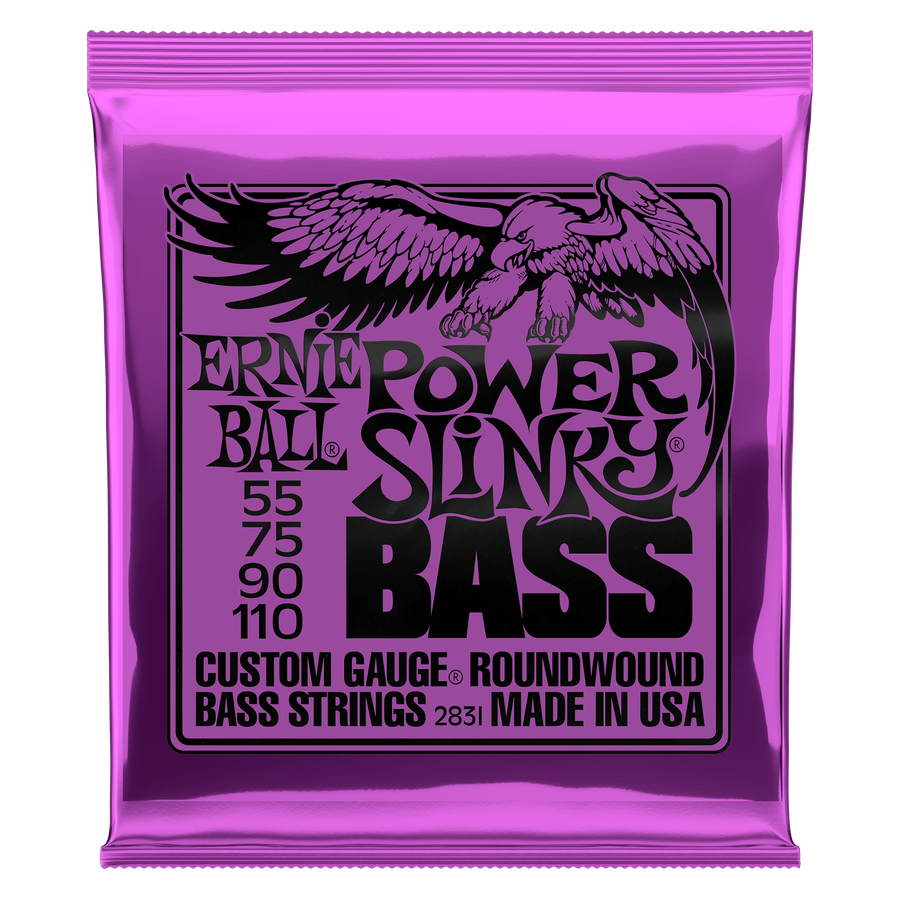
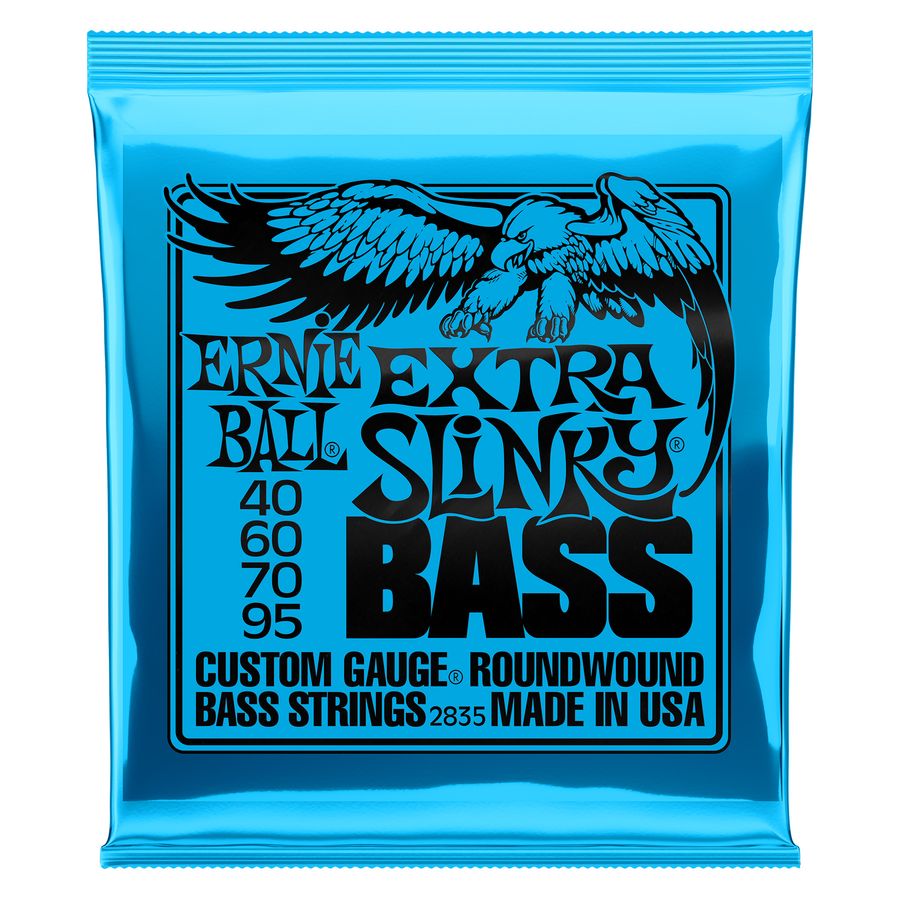
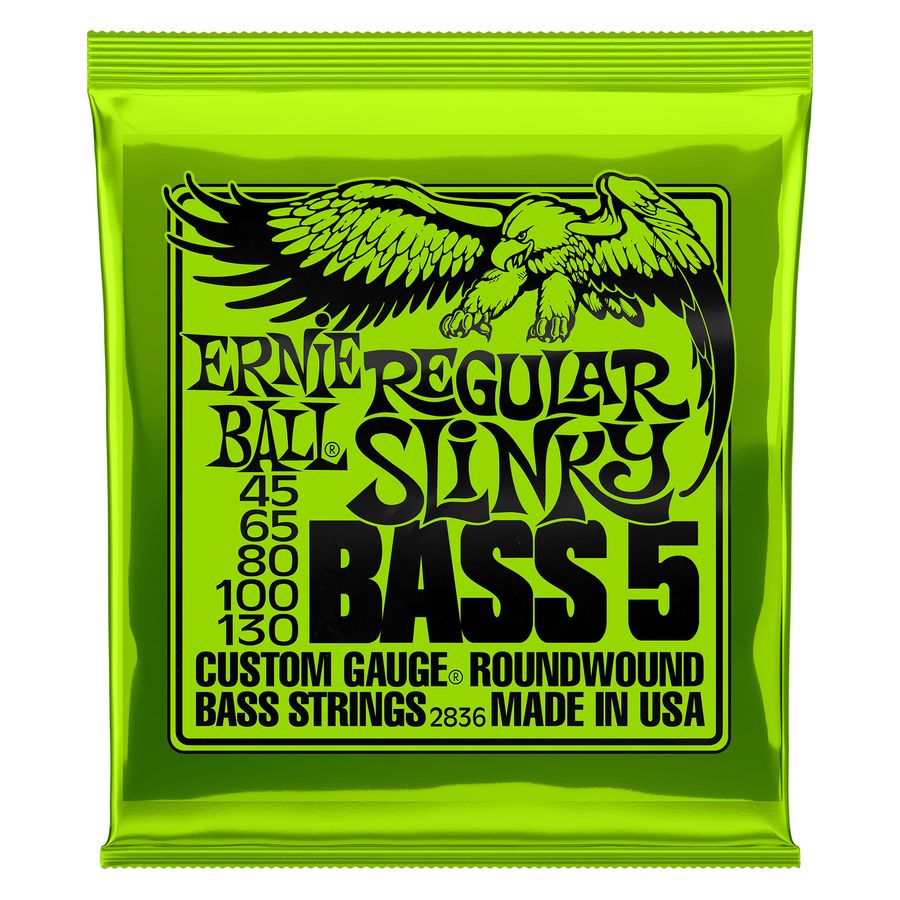
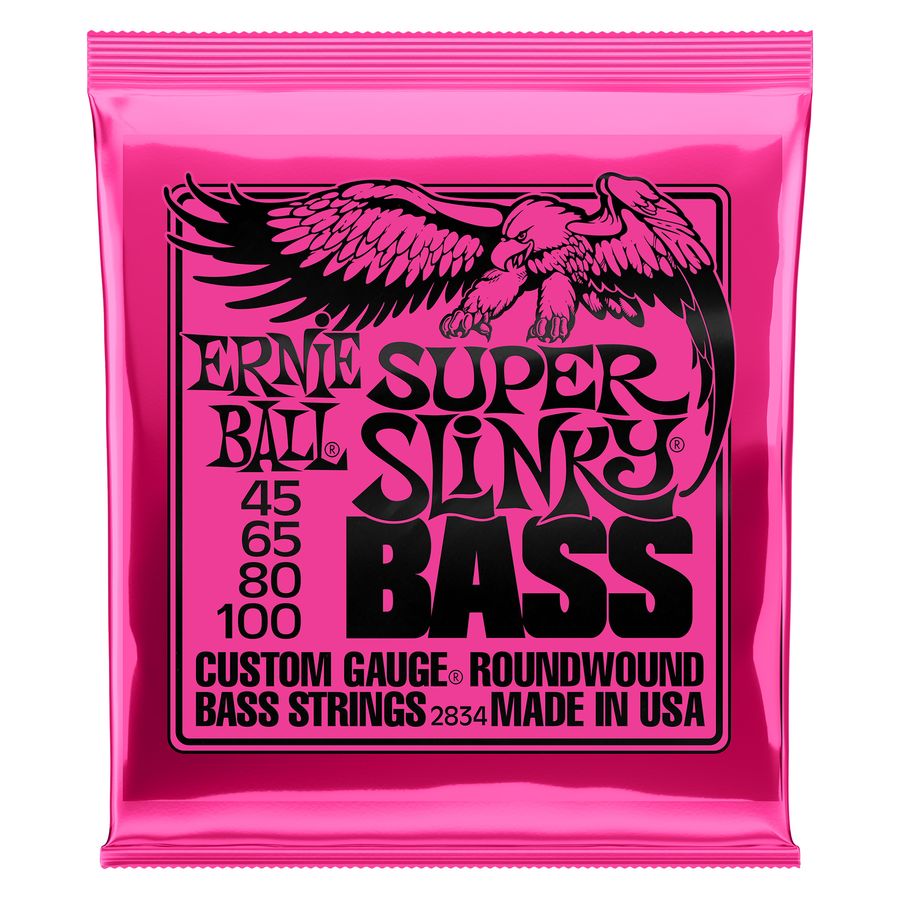
Ultimately, you should be looking to find a balance of harmonics and playability that works for you. If you're not sure, try our Regular Slinky Bass Strings. They're designed with a balanced tone, feel, and tension. Take a look at our full range of bass strings and see what you think will work for you.
Keep in mind that it's unlikely your audience will be able to hear the gauge you play. And you can always tweak your equalizer and tone settings to dial in a perfect tone shape.
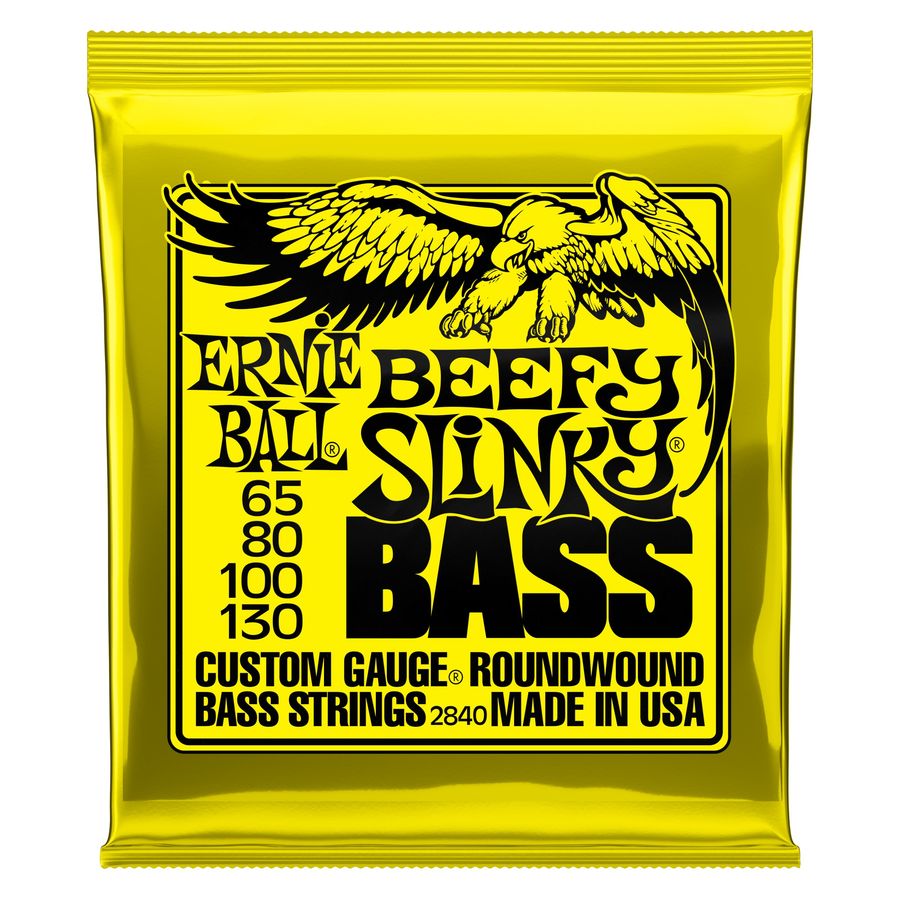
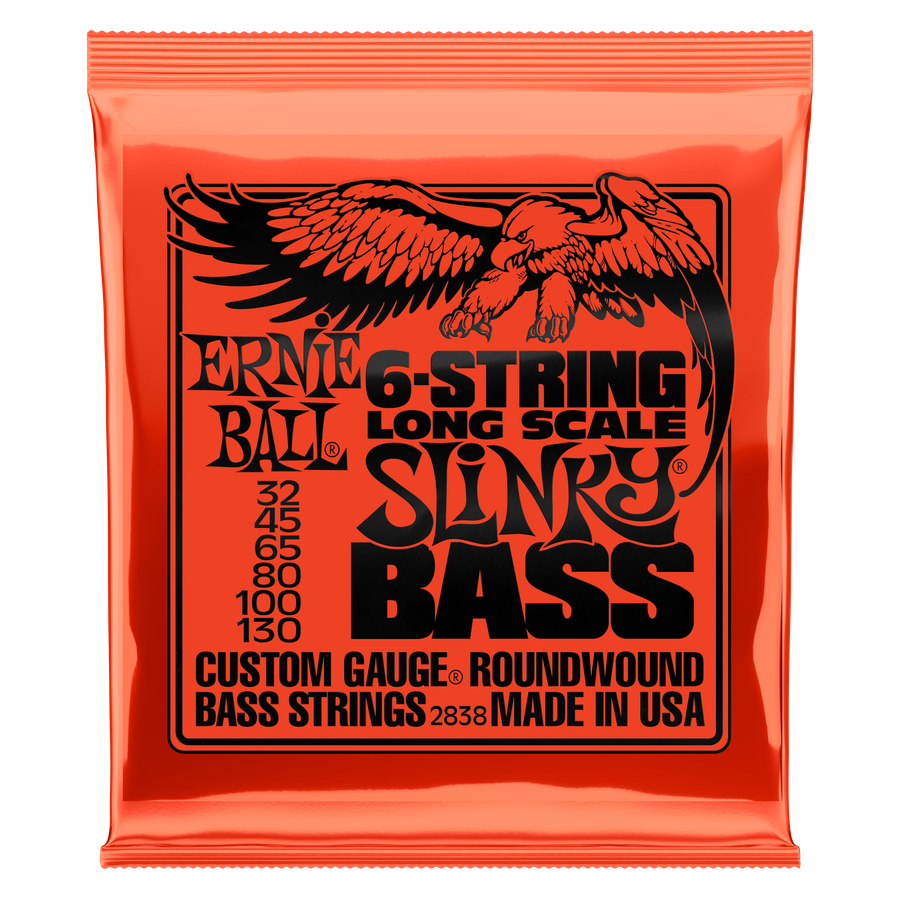
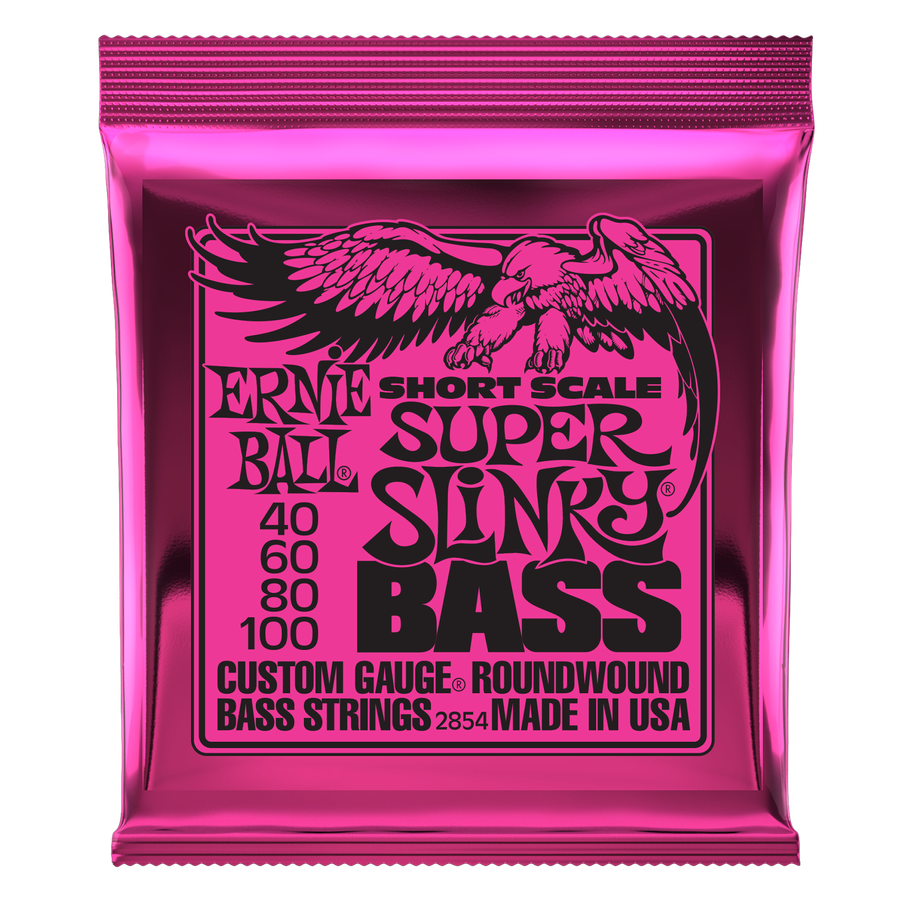
Quick tip: The scale length of your guitar and also what tuning you're playing in will determine your options. We've got you covered if you need Short Scale bass strings or Super Long Scale bass strings. Our new Beefy Slinkys are also the perfect options for those ultra-low tunings. Prefer more strings? Check out our bass strings for 5 and 6 string basses.
Material
Ernie Ball bass strings are available in three main materials, each with their own variation and unique tone.
The number one selling bass string in the world, our Slinky Nickel Wound has a special recipe made from a nickel plated steel roundwound wrap. They give a balanced tone that works well with all bass types and styles. The roundwound wrap isn't as durable as a flatwound, so for added longevity consider our Coated Roundwound bass strings.
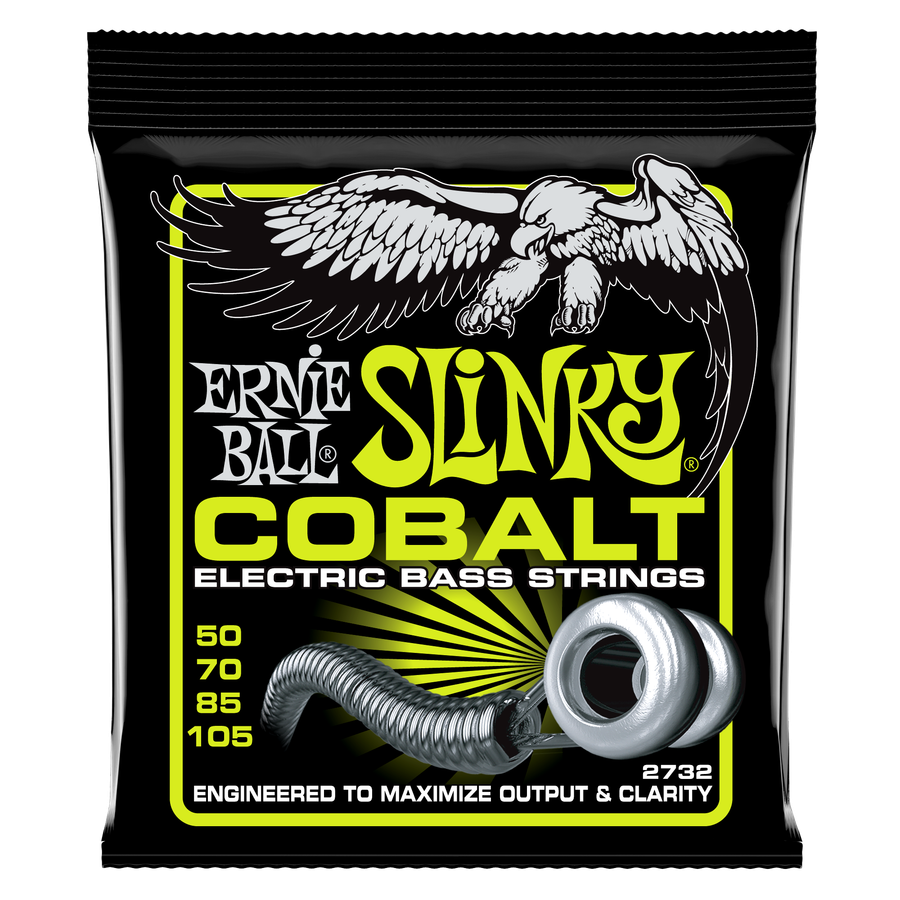
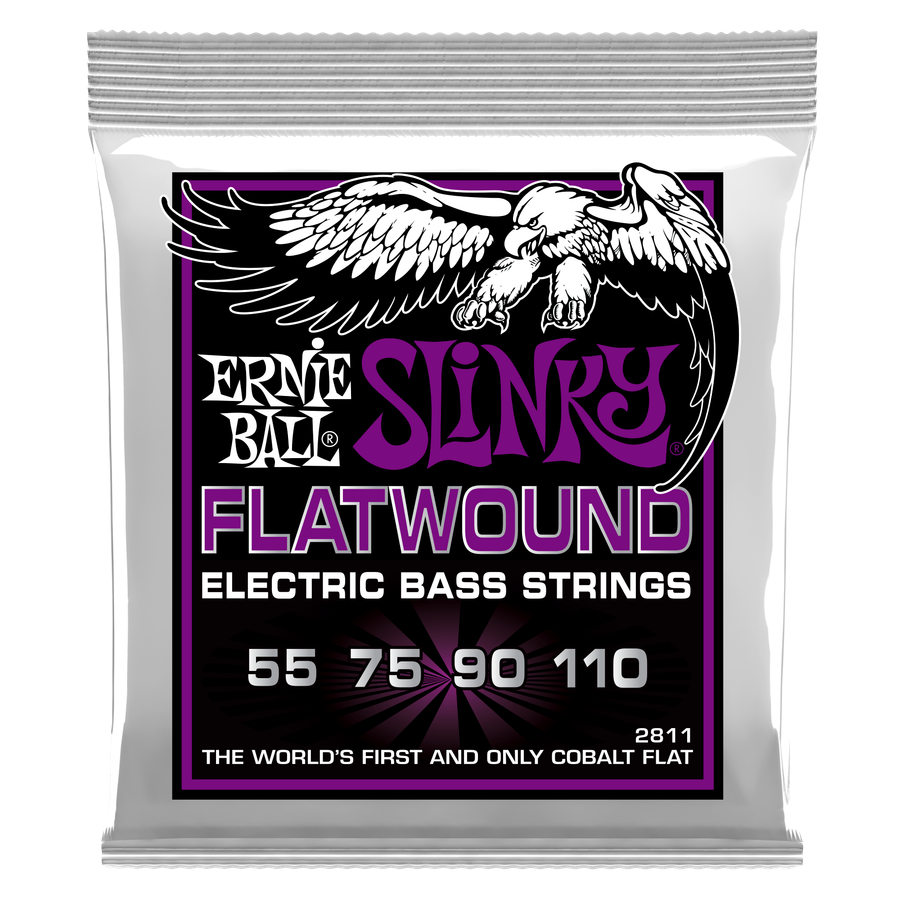
Slinky Cobalt bass strings have roundwound wrap that uses a cobalt alloy to provide a stronger magnetic relationship with the pickups. The result equals a much wider range of output across all EQ bands. We use cobalt as the wrap in our Slinky Flatwound sets to make the most expressive flatwound in the world.
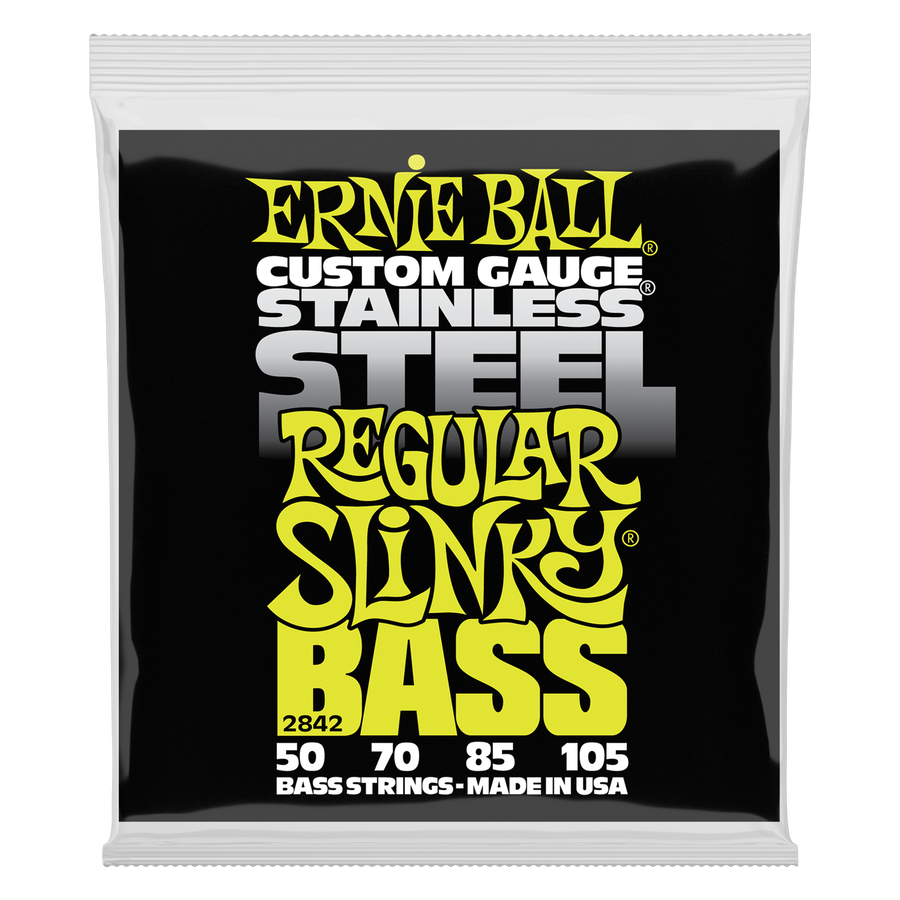
Stainless Steel Bass Strings have greater resilience against corrosion. And they make a great alternative to the nickel wound sets if you play slap as they have a naturally brighter tone. We use stainless steel as the wrap for our flatwound bass strings as steel provides a great long lasting smooth feel and the perfect mellow sound when flattened.
The bottom line
The strings you choose will help project the exact sound of you're trying to achieve. So whether you're into rock, pop, soul, funk, jazz, reggae or anything in between, it's an important decision to consider.
There are many other things that can — and will — affect your sound, but you need to have the right tools for the job. Think about the differences between bassists like Mike Dirnt, Pino Palladino, Rick Savage and Tony Levin. They all play different strings for a reason.
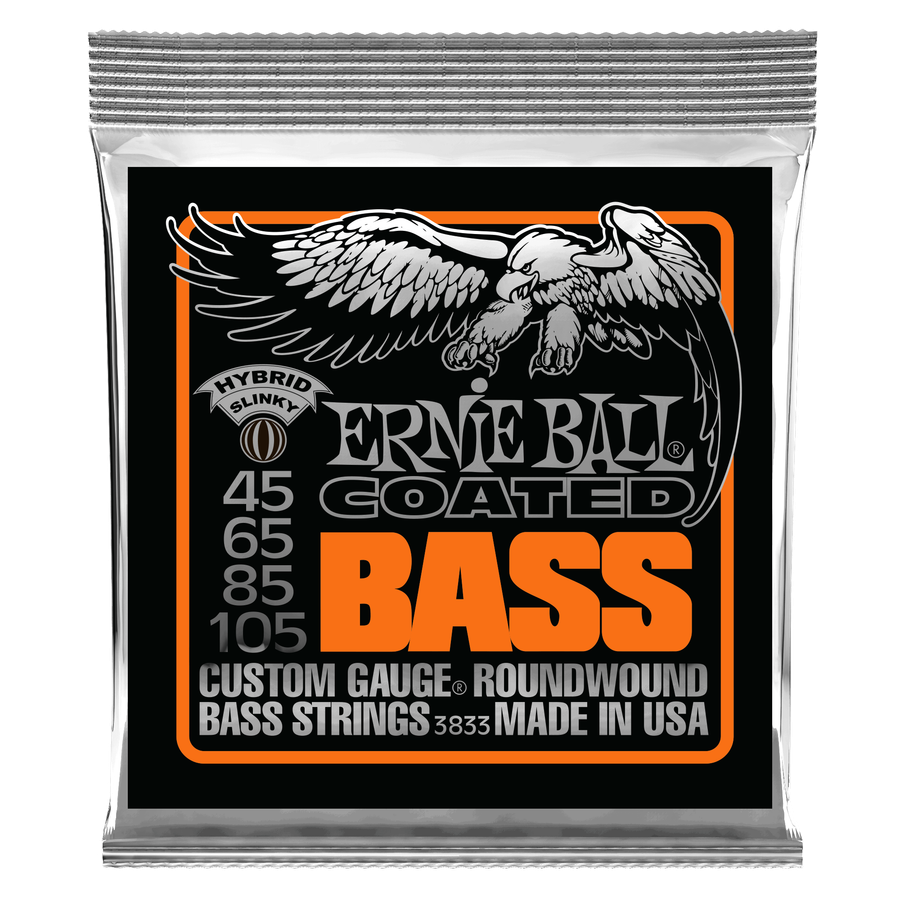
It's all about personal taste and there aren't any hard and fast rules when it comes to choosing your strings, so explore your options. You may find that certain basses work better with certain types of strings. For example, a passive bass may work better with our Cobalt set. Or you may settle in with our Hybrid gauge if you want to drop dune but keep the easy bending on the top.
One more quick tip: If you're experimenting with gauges you should also consider the impacts it has on your truss rod and neck.
Watch our bass strings in action
Still can't decide? Watch our friends Lars Lehmann and Ryan "Fluff" Bruce compare our popular bass strings.